
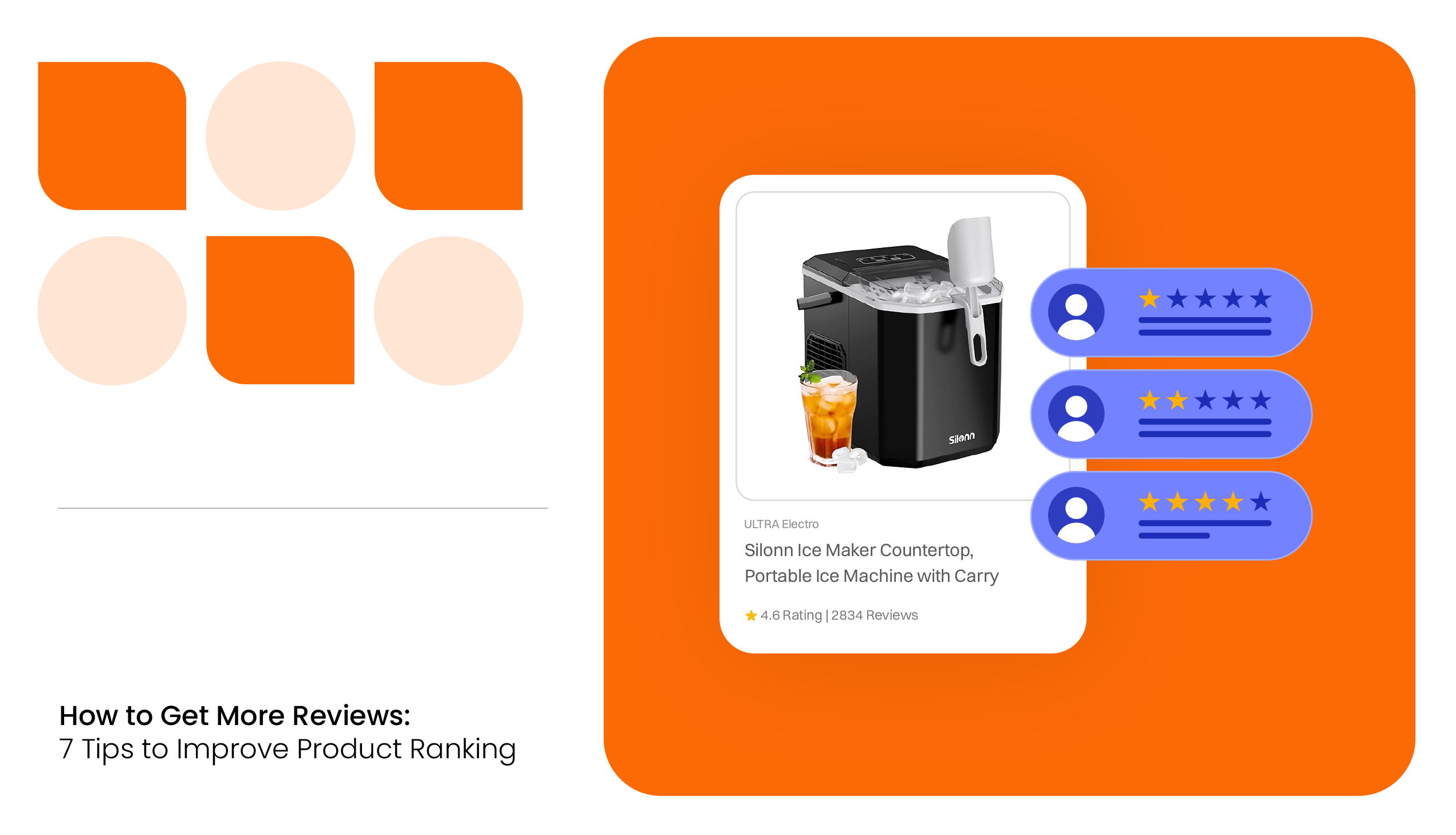
BrightLocal survey reveals that 85% of consumers don’t think reviews older than 3 months are relevant. In fact, 40% of those surveyed only cared about reviews less than two weeks old.
Having new and up-to-date reviews on products is necessary for brands to convince their customer to purchase from them rather than their competitors.
However, just collecting more reviews is not enough to sustain a business in the current e-commerce market. Brands need an e-commerce review analysis platform to analyze customer reviews and improve their product rankings and sales.
So, the question is: How can we get more reviews from customers?
Enlisted below are some proven strategies brand managers can use to generate more reviews.
Implement Post-Purchase Follow-ups
Engaging with customers after a purchase is one of the most effective ways to increase online reviews. Brands can send a follow-up email to remind customers to share their product experience once they complete the consumer buying process.
It is also vital to establish a personal connection with the customer; therefore, using their name and the product they purchased can motivate them to leave reviews faster. Additionally, the mail must include a direct link to the review page. This will help increase reviews, thereby enhancing your product’s visibility.
Leverage Review Request Tools Offered by E-Commerce Sites
E-commerce platforms often provide built-in tools and features designed to help sellers request and manage reviews. Utilizing these tools can simplify the review collection process. For instance, e-commerce platforms such as Amazon and eBay offer automated emails that can be sent to customers after purchase for review collection.
In addition, Amazon and Walmart offer sellers a “Request a Review” feature that allows them to send automated review requests to customers. This feature enables brands to tailor compelling messages that emphasize the value of customer reviews and their impact on their business.
Furthermore, brands can leverage the Amazon Vine Program to generate early reviews and increase visibility.
Offer Incentives in Exchange for Customer Reviews
Offering incentives for customer reviews can be an effective way to increase the quantity and quality of product feedback. However, it is crucial to ensure that customers leave honest feedback, and review manipulation can lead to penalties depending on the platform.
Brands can surprise customers with discounts on future purchases, exclusive access, or loyalty points once they complete the review. This fosters brand loyalty and helps gain credibility and trust with the audience.
Simplify the Review Process
Customers are more likely to leave a review if the process is straightforward and quick. Here are some ways to simplify the review process:
- Ensure that the review page is easy to navigate and can be accessed with minimal clicks.
- Use star ratings or thumbs-up/down options for quick feedback.
- Allow customers to upload photos and videos of the product to ensure authenticity and encourage others to contribute visually.
- Offer pre-filled rating options or multiple-choice questions to help customers complete their reviews more easily.
- Communicate how their review will help other customers make informed decisions and how it contributes to improving products.
Thus, brands can increase the likelihood of customers leaving reviews by making the review process as simple and hassle-free as possible.
Respond to Both Positive And Negative Reviews
Engaging with positive and negative reviews shows that brands value their feedback and are committed to improving their experience.
When replying to positive feedback, brands can express genuine gratitude and appreciation for the customer’s support. They can also personalize the response by mentioning specific details from the customer’s review, making them feel valued and recognized. In addition, it helps build brand loyalty and encourages repeat purchases.
Conversely, when responding to negative reviews, brands must acknowledge the customers’ concerns and apologize for any inconvenience they experienced. It is important to offer a solution to address the customer’s issue, such as replacing a defective product, issuing a refund, or providing additional support.
Thus, consistently responding to reviews can enhance a brand’s image and encourage more customers to share their experiences.

Display Positive Reviews on Product Pages
Review syndication is another method for generating more reviews and improving product ranking. By highlighting positive reviews on product pages, brands can reach a wider audience and build trust. It also helps create credibility with potential customers, who are more likely to make purchasing decisions based on reviews.
Moreover, when customers see that others have written reviews that helped their purchase decision, they are encouraged to leave their own reviews. In addition, by showing reviews across multiple platforms, brands also reinforce the idea that customer opinions are important and appreciated, leading to more contributions.
Share Positive Reviews on Social Media
Brands can leverage social media to amplify customer reviews and reach a broader audience. They can share user-generated content such as stories and images on social media and tag the customer featuring the review. In addition, creating a compilation of positive reviews can also build credibility for the brand.
People are more likely to trust recommendations from other customers than traditional advertising. This social proof can encourage new customers to purchase from the brand and share their experiences, leading to more reviews.
Turning Reviews into Lasting Brand Growth
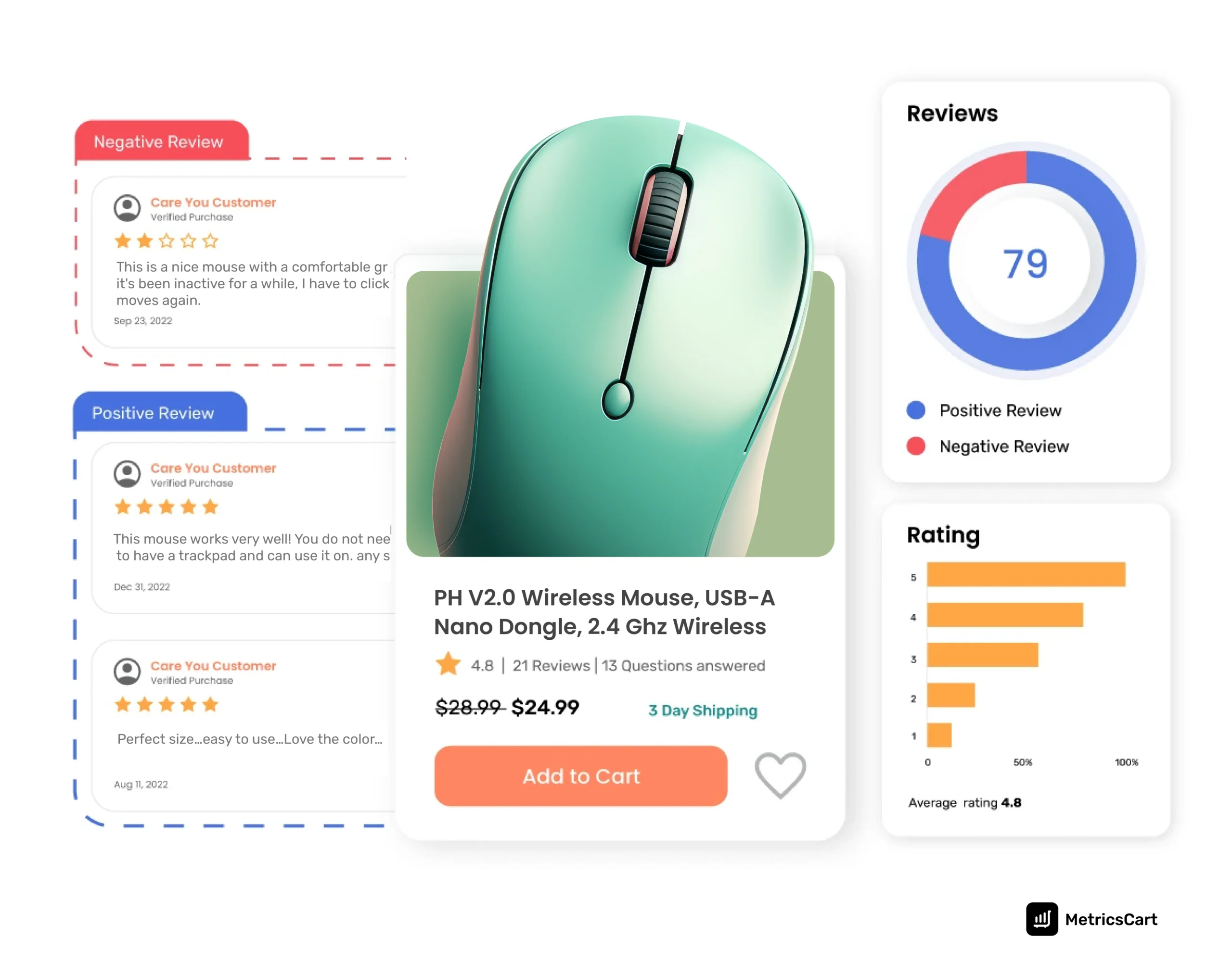
Increasing the number of customer reviews is a critical strategy for brand managers and e-commerce platforms aiming to boost product rankings and enhance credibility.
A consistent flow of authentic, recent reviews can improve your product ranking and influence purchasing decisions. But the real power lies in analyzing this feedback to uncover patterns, preferences, and improvement areas that drive long-term success.
So, brands need a structured system to monitor and act on review insights. Platforms like MetricsCart’s Ratings & Reviews help you track customer sentiment, identify recurring themes, and benchmark your performance against competitors.
Remember, the key to success lies in actively engaging with your customers and continuously optimizing your review collection strategies.
Ready to take control of your brand’s reputation?
FAQs
Brands can use post-purchase follow-up emails, e-commerce review request tools, and loyalty incentives to encourage feedback. Simplifying the review process also increases participation rate.
Yes. Responding to both positive and negative reviews shows customers that their opinions are valued. It enhances trust, improves retention, and demonstrates accountability.
Not always. Platforms like Amazon have strict policies against incentivized reviews. Brands should encourage honest feedback without offering direct rewards that may bias opinions.
Common challenges include managing large volumes of data, detecting fake or biased reviews, and accurately interpreting customer sentiment due to language nuances.
Brands should review feedback continuously. Setting up automated alerts for sudden rating drops or recurring issues ensures that teams can respond promptly and maintain a strong brand reputation.