The health and wellness industry isn’t slowing down anytime soon. What used to be a niche lifestyle category has now become one of the biggest global markets—fuelled by consumers who want to live better, not just longer.
From smarter supplements to personalized nutrition and AI-driven fitness, people are actively investing in routines that improve both physical and mental well-being.
According to the Global Wellness Institute, the overall wellness economy is projected to grow at 7.6% annually from 2024 to 2029, outpacing global GDP growth and nearing $9.8 trillion by 2029.
This momentum offers huge potential. But to stay relevant, it’s critical to understand how consumer priorities are evolving and the top health and wellness trends in 2026.
Highlights
- Consumers want wellness products tailored to their unique biology, from microbiome-based nutrition to data-driven supplements and wearables.
- The demand for functional foods and protein-rich products continues to rise, redefining grocery shelves and online discovery.
- From AI health assistants to biomarker-tracking devices, technology is personalizing wellness at scale.
- Emotional well-being, sleep quality, and stress management are now core parts of the health equation.
- Consumers are investing in products that support long-term vitality and healthspan rather than short-term fixes.
7 Top Health & Wellness Trends to Watch in 2026
Here are the top health and wellness industry trends of 2026:
Shift Toward Personalized & Predictive Health
Consumers increasingly demand wellness products and experiences tailored to their unique biology, lifestyle, and goals. This “precision wellness” approach extends beyond broad categories to highly personalized interventions—nutrition plans, supplements, wearables, and data-driven apps.
- AI and analytics are at the heart of this shift, with advanced health platforms enabling personalized plans based on biomarkers and behavioral data.
- Services like Viome and InsideTracker are using microbiome and blood biomarker analysis to offer custom diet and supplement recommendations.
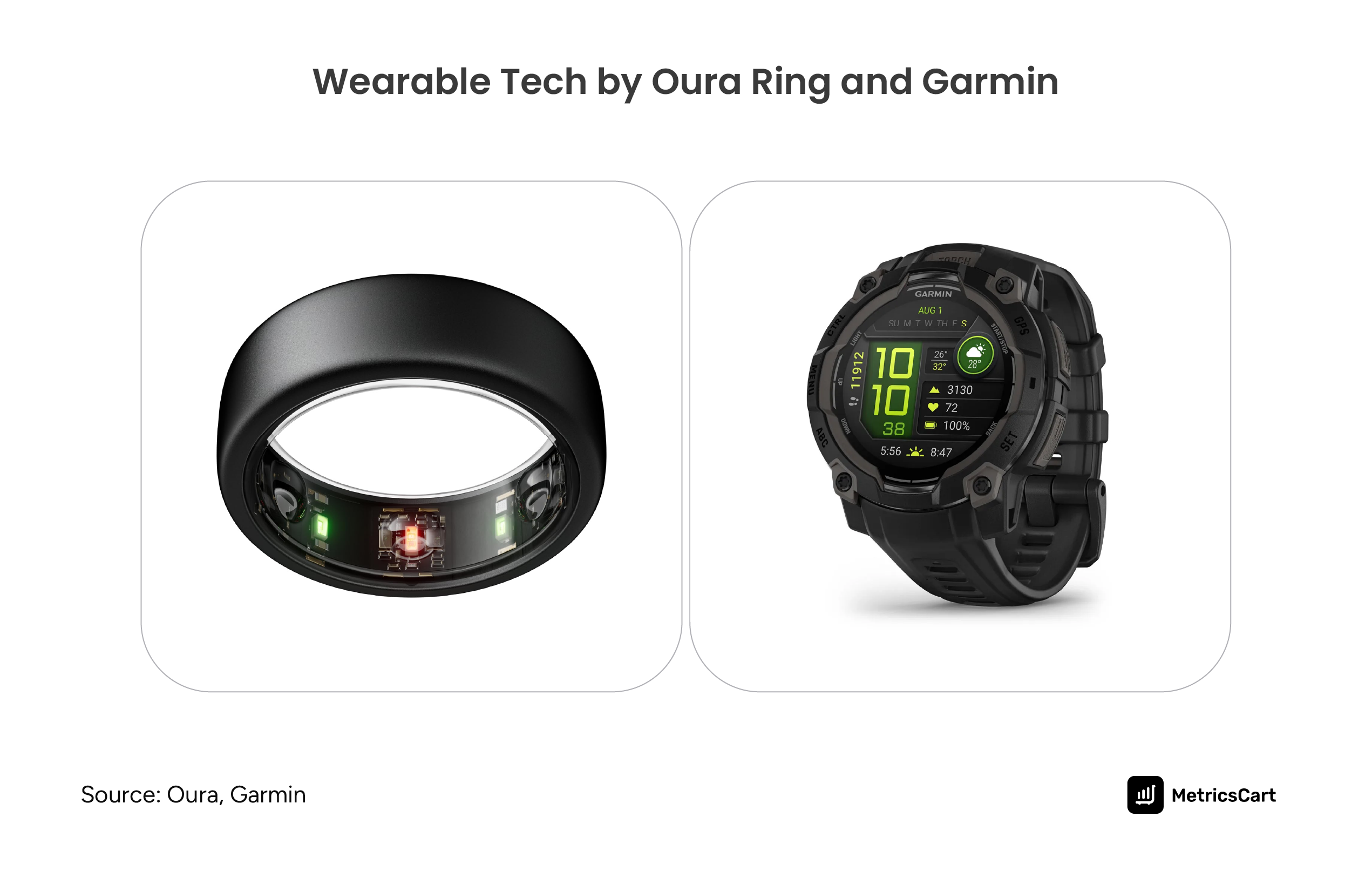
- Wearable devices such as Oura Ring and Garmin have become everyday companions, tracking everything from heart rate variability to sleep quality and glucose levels.
This trend signals the importance of product integration with health ecosystems. CPG and e-commerce players can leverage data partnerships with digital health platforms to offer personalized product bundles or tailored subscription plans.
In addition, messaging must evolve, from generic “healthy lifestyle” claims to specific, data-backed promises like “personalized to your body’s needs.”
Rise of Tech-Enabled Wellness
The convergence of AI and wellness tech is redefining how consumers approach their health. Beyond step counters and sleep trackers, 2026’s landscape is filled with devices and platforms capable of real-time diagnostics and personalized recommendations.
AI-powered health assistants, like ChatGPT Health are helping users interpret data from wearables, diet logs, and activity trackers to craft tailored wellness plans.
At CES 2026, the Withings Body Scan 2 drew attention for offering at-home biomarker assessments that once required a clinic visit, signaling a future where technology bridges the gap between consumer wellness and healthcare.
This is both an opportunity and a responsibility. Data partnerships with wellness platforms can unlock deeper consumer insights and engagement, but they also demand rigorous data protection and transparency. In a world where wellness decisions are data-driven, consumer trust will be the strongest competitive differentiator.
Nutrition Evolution: Functional, Protein & Metabolic Trends
Consumers increasingly seek foods and beverages with functional benefits – from energy support and cognitive focus to metabolic health. Protein remains a major focus, with 57% of consumers planning to prioritize protein intake as a core wellness goal in 2026. For instance:
- “Fibermaxxing”: a trend emphasizing high-fibre foods to enhance gut health and metabolic function is gaining traction across food categories.
- Protein-infused offerings are expanding across categories: yogurts, cereals, ready meals, protein lattes, and even protein sodas. Major brands like Starbucks and Danone are responding with new high-protein products.
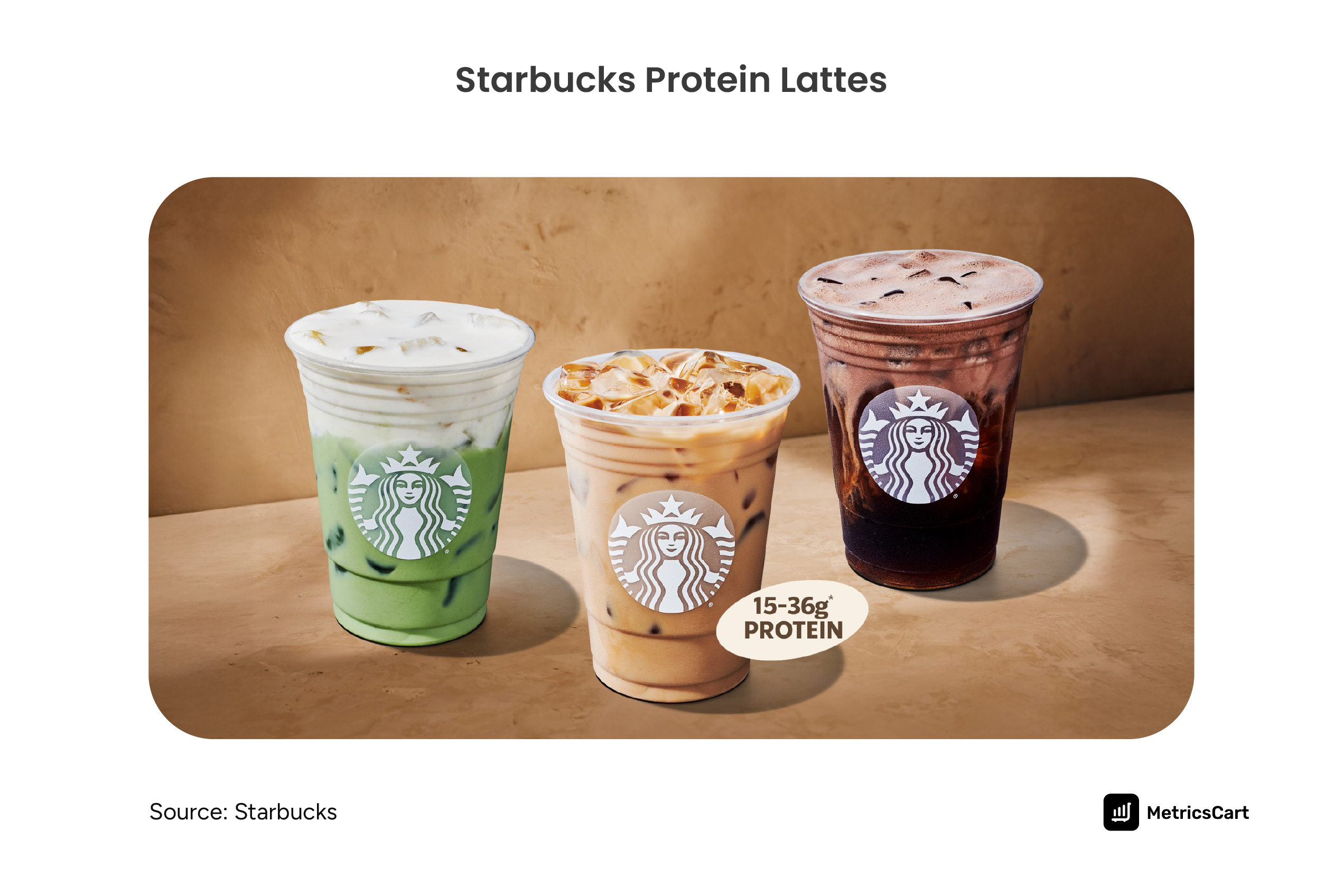
For CPG brands, this means rethinking labeling, ingredients, and claims. E-commerce listings that spotlight measurable benefits, like grams of protein or fiber per serving, can enhance discoverability and conversion. Data-backed claims such as “collagen for joint support” or “glucomannan for satiety” are likely to resonate far more than vague health promises.
Growing Preference for Prevention-First & Longevity Wellness
In 2026, wellness is proactive. The focus has shifted from treating illness to preventing it, and from living longer to living better, which is now widely known as “healthspan.” As a result, the global anti-aging market is expected to surpass $120 billion by 2030, growing at a CAGR of 7% from 2025 to 2030.
Consumers are investing in longevity supplements, metabolic monitoring, and lifestyle products that maintain youth and vitality.
The rise of preventive health tools, such as at-home biomarker testing kits, mirrors this new mindset. Functional foods and dietary supplements targeting inflammation, metabolic health, and cognitive longevity are in demand.
Brands that combine credible science with consumer education—explaining how ingredients improve long-term health—are winning trust in an increasingly evidence-driven category.
Focus on Holistic Wellness: Mind, Body & Sleep
Health is no longer just physical—it’s deeply emotional and psychological. The holistic wellness trend integrates mental health, sleep quality, stress resilience, and purpose-driven living into the mainstream wellness conversation. According to Innova Market Insights, 27% of consumers have already changed their diets to support emotional well-being.
This holistic mindset is reshaping product development. Adaptogenic beverages, calming teas, and magnesium-based sleep supplements are on the rise as consumers seek daily rituals that soothe the mind and restore balance. The market’s language is shifting too—from calorie counts to cortisol control.
For brands, this means positioning products within broader emotional and lifestyle narratives. A protein shake is no longer just about muscle gain, it’s about recovery, calm, and better sleep. Bundling across categories, such as nutrition + mindfulness tools + sleep aids, can help brands capture a larger share of consumers’ wellness routines.
Sustainability & Purpose-Driven Consumption
Health-conscious consumers are equally planet-conscious. In 2026, wellness has become inseparable from sustainability. Buyers are demanding eco-friendly packaging, traceable sourcing, and authentic environmental commitments.
Brands are responding by reducing plastic, adopting biodegradable materials, and publishing transparent sourcing information. Certifications like B-Corp, Fair Trade, and Carbon Neutral have moved from optional badges to table stakes in consumer decision-making.
For CPG and e-commerce brands, it’s time to make sustainability part of the product story. Highlighting environmental impact per SKU, sharing supply chain data, or showcasing carbon-reduction milestones can differentiate products on digital shelves where consumers often compare by values, not just price.
READ MORE | Gen Z Sustainability Trends: How E-Commerce Brands Can Stay Relevant
Increased Use of GLP-1 Medications
If 2023–2025 were the years of curiosity around Ozempic, Wegovy, and Mounjaro, 2026 is the year these GLP-1 medications reshape mainstream wellness and consumer behavior. GLP-1 usage is influencing how consumers shop, eat, and evaluate nutritional claims.
According to Food & Wine’s 2026 industry forecast, food manufacturers are rapidly reformulating products to align with the lifestyle shifts of GLP-1 users—lower sugar, higher protein, smaller portion sizes, and nutrient-dense options that maintain satiety.
Beverage and snack brands are exploring GLP-1-friendly offerings, such as protein-enriched smoothies, electrolyte boosters, and balanced ready-to-drink meals, to complement appetite-modulating effects.
For CPG and e-commerce brands, the rise of GLP-1 users creates both a marketing and product innovation opportunity. Messaging around portion control, metabolic support, and nutrient density can resonate strongly with this expanding audience.
We dug into the data to uncover how CPG brands are adapting to the Ozempic boom and the shifts might surprise you. Watch here:
Future Signals for CPG & E-Commerce Brands
The future of the health and wellness landscape is data-driven, holistic, and values-led. Consumers want precision, functionality, and authenticity—from the ingredients in their supplements to the environmental footprint of their favorite drink.
For brands and e-commerce leaders:
- Lead with data: personalize offerings and optimize search discovery with wellness keywords tied to outcomes.
- Educate and build trust: provide transparent product claims supported by scientific evidence.
- Build digital ecosystems: integrate with health tech and engage consumers across touchpoints.
- Think holistically: treat wellness as a lifestyle category that spans mind, body, community, and purpose.
For brands navigating this space, MetricsCart’s digital shelf analytics can serve as a compass. By tracking pricing, reviews, visibility, and keyword trends across e-commerce channels, brands can align their strategies with what modern wellness consumers truly value—personalization, transparency, and purpose.
Stay Ahead of the Health & Wellness Curve with MetricsCart.
FAQs
The leading trends include personalized health solutions, functional nutrition, GLP-1-influenced diets, AI-driven wellness tech, holistic well-being, preventive longevity products, sustainable consumption, and wellness-based community experiences.
Consumers are shifting from reactive healthcare to proactive well-being. This includes greater focus on mental health, preventive care, data-driven nutrition, and eco-friendly living—all contributing to the market’s projected $9.8 trillion valuation by 2029 (Global Wellness Institute).
The use of drugs like Ozempic and Wegovy is reshaping consumer eating habits and food product formulations. Brands are developing high-protein, low-sugar, and nutrient-dense options to cater to GLP-1 users who prioritize satiety and balanced nutrition.
AI health platforms and wearables analyze biomarker data, lifestyle inputs, and behavioral patterns to deliver personalized health recommendations. This makes wellness more predictive, measurable, and individualized than ever before.
Brands can integrate consumer data insights, reformulate products with functional ingredients, invest in sustainability, and align messaging with emotional and lifestyle outcomes. Data-driven personalization and community-based engagement are key success levers.