India’s quick commerce market stands at ~$6-7 billion in FY2025, growing at a pace outpacing other countries . This massive market is only expected to grow, but with that growth comes a series of complex data challenges that brands must address.
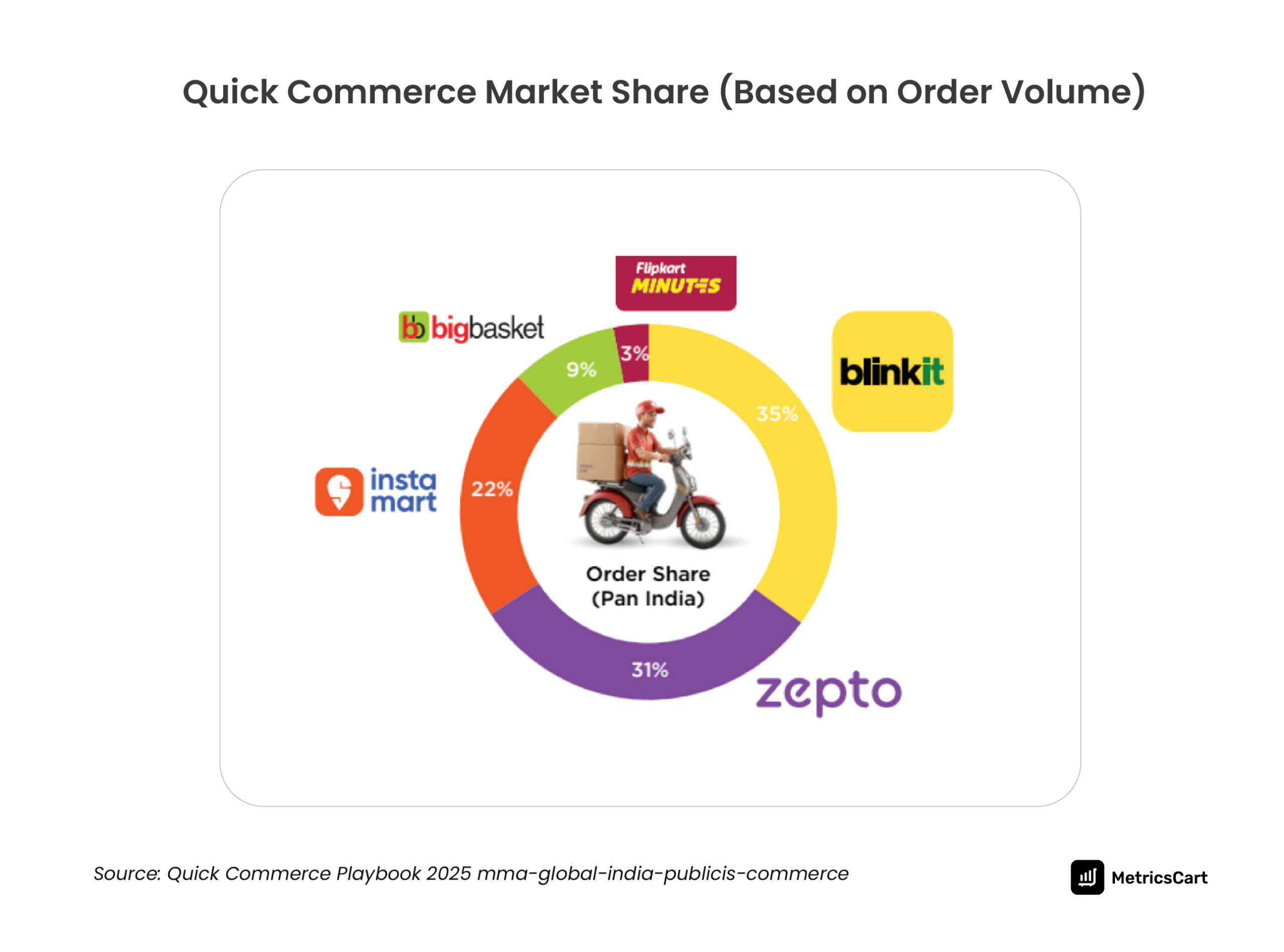
Platforms like Blinkit, Zepto, and Instamart control 85% of the market, and they have access to heaps and mounds of valuable data; brands don’t. They’re stuck in the hyperlocal black box; unable to gain visibility into crucial performance metrics like pricing, demand patterns, and competitor activity.
Granular data insights are to brands what speed is to quick commerce. Most brands in this space struggle to get meaningful real-time data from platforms. Even worse, they have to rely on manual reports, which are often delayed and inaccurate.
Your brand possibly cannot survive this competitive space without a quick commerce tracker! But why, exactly? Let’s break it down.
But before that! If you are here for a quick read, here’s your tldr!
Highlights
Why You Need a Quick Commerce Tracker?
- Real-Time Insights: Quick commerce platforms like Zepto and Blinkit control the market, but brands lack access to critical data. A quick commerce tracker provides real-time visibility into pricing, demand, and stock levels.
- Hyperlocal Demand: Quick commerce thrives on local demand shifts. A tracker helps you align inventory with regional needs, avoiding stockouts or overstocking.
- Competitor Monitoring: Stay competitive by tracking price changes and promotions in real-time. A tracker ensures you adjust quickly without losing margins.
- Optimized Marketing: A quick commerce data tracking helps you target high-conversion keywords. This improves ad spend efficiency and maximizes ROAS.
- Increased Visibility: Improve your search rankings across quick commerce platforms. A tracker ensures your products are visible to high-intent shoppers, increasing conversions.
What is a Quick Commerce Tracker?
At its core, a quick commerce data tracking software is a real-time analytics tool designed specifically to decode the massive data blind spots for brands on Q-commerce platforms. It tracks a range of real-time data across multiple channels like Zepto, Blinkit, and Swiggy Instamart.
These tools allow brands to monitor:
- Pricing trends in specific cities
- Product availability across various platforms
- Competitor promotions and price changes
- Consumer search behavior and intent
Imagine being able to track exactly when a local discount goes live or when demand for a product in Mumbai peaks, so you can adjust pricing or stock levels in real-time. That’s what a quick commerce tracker does. It makes your operations more agile, your marketing efforts more targeted, and your overall business strategy more effective.
Why Quick Commerce Demands a New Level of Visibility?
As quick commerce becomes more central to consumer purchasing behavior, the demand for real-time, hyperlocal data has never been higher.
According to MMA Global’s Quick Commerce Playbook (2025), platforms like Zepto and Blinkit account for over 60% of all e-grocery orders, and this number is expected to increase as consumers continue to prioritize convenience. And FMCG brands now account for 30-60% of their online sales to quick commerce platforms.
Unlike traditional retail, where demand can be more generalized, quick commerce thrives on hyperlocal dark-store-level data, meaning that consumer preferences, trends, and even pricing can change drastically from one city or neighborhood to another.
However, data, the very thing driving this market, is often opaque and hidden behind platform walls. This leaves brands without critical insights like:
- Which cities or neighborhoods are seeing demand surges
- Where to allocate inventory and which products to prioritize
- When competitors are running flash sales or adjusting prices
- What keyword is trending in Delhi for the instant noodles category
Meanwhile, platforms keep the best chunk of insights to themselves and expand with private labels.
While brands are left demanding pin-code level data granularity from these platforms, a solution that provides city-level, real-time insights into consumer behavior, pricing, and demand trends is non-negotiable.
That’s why q-commerce analytics tools are absolutely necessary: without them, brands are essentially navigating through a fog. Let’s zoom in further.
Data Gaps That Quick Commerce Tracker Solves
The explosive growth of quick commerce demands unprecedented visibility, agile supply chains, and precise demand forecasting. And quick commerce data tracking facilitates it for brands in this space.
Let’s understand this with some common pain points brands face and how quick commerce platform tracking plays out:
Lack of Granular Data from Platforms
Imagine this: you launch a new product on Zepto and Blinkit, but without detailed data on which cities are driving the most sales or when demand peaks, how do you make decisions? Are you selling in Delhi or Bengaluru? How do you decide pricing and promotion strategies without knowing the hyperlocal demand?
Most platforms aggregate data at the national level, which makes it difficult to react to local trends. But with a quick commerce tracker, you get granular data, city-by-city, helping you understand where your products are gaining traction and where you need to adjust your strategy.
In Delhi, demand for instant noodles might spike during the rainy season, while in Mumbai, a surge in packaged fruit juices might occur due to a sudden local health trend. If you aren’t tracking these daily trends in real-time, you risk overstocking products in the wrong areas, resulting in wasted inventory or stockouts. A quick commerce tracker provides the hyperlocal data you need to make adjustments on the fly.
Fragmented or Proprietary Data
We all know that data fragmentation is a huge challenge. Platforms gatekeep the best data for themselves, and often, they provide only limited insights. Whether it’s pricing, promotions, or inventory management, manual monitoring can’t always capture the depth of data you need, and it isn’t fast enough to respond in a real-time, competitive market.
This lack of visibility not only impedes decision-making but also prevents brands from making agile, data-driven responses. A quick commerce tracker consolidates data from all platforms and delivers actionable insights that allow you to adjust to market conditions instantly.
Tackling Hyperlocal Demand Without Real Visibility
Quick commerce is hyperlocal, meaning city-level demand and product preferences can vary significantly. Managing inventory across multiple cities without understanding hyperlocal fluctuations is a recipe for disaster. Think about it: what’s trending in Delhi might be irrelevant in Bengaluru.
A quick commerce data tracking makes sure you understand local demand shifts, giving you the real-time visibility you need to move inventory and adjust strategies on a city-by-city basis. This hyperlocal visibility ensures you never miss a sale due to mismatched inventory or poor market fit.

Competitor Moves Are Invisible Without Tracking
In quick commerce, competitor moves can make or break your strategy. If your competitor suddenly slashes prices or runs a flash sale, you need to be aware of it immediately. But without a quick commerce tracker, you’re often caught off guard.
Let’s say on Zepto, your competitor drops their price by 15% in your bestselling product category, making you lose category leadership. Without a tracker, you’re blindsided by this move, and your sales are impacted before you can adjust.
However, with a tracker, you’ll get real-time alerts about price cuts and promotions, allowing you to adjust your pricing immediately and stay competitive.
READ MORE | How to Track Prices, Discounts, and Stock on Zepto: A Guide for FMCG Brands
Inefficient Marketing Spend Without Data
In quick commerce, where every bit of your ad budget needs to work harder than ever, wasting ad spend is a luxury no brand can afford. Without real-time performance insights, how do you know which keywords are driving high-intent traffic?
A quick commerce tracker gives you the visibility to target high-conversion keywords and optimize your ad spend across multiple platforms. This ensures your campaigns are laser-focused, maximizing your return on ad spend (ROAS).
Search Behavior and Shopper Intent Goes Incognito
Consumers in quick commerce don’t shop like traditional e-commerce customers. They aren’t scrolling to pass time; they come online with a strong intent to find exactly what they need and immediately buy it.
They are looking for instant purchases, whether it’s snacks, groceries, or last-minute essentials. Understanding what drives their searches is key to capitalizing on those impulse buys.
A quick commerce tracker monitors consumer search behavior, trending keywords, and product visibility, ensuring that you’re visible to high-intent shoppers during peak times.
READ MORE | 5 Best Quick Commerce Monitoring Tools for Indian Markets
Why Choose MetricsCart for Quick Commerce Data Tracking?
Because MetricsCart is built exactly for the current reality of quick commerce.
While Indian brands are grappling with this data blackbox, MetricsCart is a pioneer in quick commerce data analytics, decoding the data dilemma with comprehensive solutions:
1. Provides Real‑Time, Hyperlocal Insights
The biggest blind spot for most brands in Q-commerce is when and where demand really spikes. The Quick Commerce Playbook India 2025 highlights distinct purchase patterns tied to specific times and localities, like staples surging in early mornings and evenings, and snacks in the afternoons and late evenings. Without real‑time data, you react too late.
MetricsCart gives you:
- City‑level demand intelligence for quick commerce platforms
- Minute‑by‑minute trend updates during peak and high‑demand windows
- Alerts when demand outpaces supply in specific geos
This visibility turns instinct‑based planning into data‑backed execution. You know before a spike when to push inventory and adjust pricing.
2. Optimizes Inventory Distribution and Prevents Stockouts
Many platforms stock SKUs in tight cycles of just 3 to 7 days, meaning forecast and fulfillment mistakes cost real money. Without real‑time stock insights, brands either leave money on the table during peak demand or have cash tied up in slow zones.
With MetricsCart, you can:
- Monitor live inventory levels by city and dark store
- Receive proactive alerts before stockouts happen
- Understand which products are trending in which dark-store level zones
This isn’t hypothetical. When 1 SKU runs out during a peak window, you lose not just one sale, but dozens, because shopper behavior shifts instantly and switches to a competitor brand within seconds. Without repeat sales, your quick commerce journey is doomed for sure.
3. Maximizes ROAS with Data‑Driven Campaigns
Quick commerce isn’t just about delivering fast; it’s about being visible when the shopper is deciding. If your product isn’t appearing there at the right time, your media budget is wasted.
MetricsCart equips you with:
- High‑intent keyword trends for paid search success
- City‑specific search behavior insights
- Visibility metrics that show exactly how search placement correlates with conversion
This means your campaigns are no longer scattershot. They’re surgical, optimized for when and where conversions actually happen.
4. Enables Dynamic Pricing and Protects Margins
Pricing in quick commerce isn’t static. It should move with demand. Brands still consider quick commerce less profitable because they lack real‑time pricing intelligence.
With MetricsCart, you get:
- Competitor pricing feeds across platforms in real time
- Alerts for sudden price cuts or discount pushes
- Tools to adjust pricing during peak windows without sacrificing margins
That means you stay competitive without simply chasing the lowest price. You price dynamically, adjusting for demand, competitor moves, and margin preservation.
5. Boosts Product Visibility and Search Rankings Across Platforms
Visibility is not the same across all platforms. A product that ranks high on Blinkit might be invisible on Zepto or Instamart for the same search term.
MetricsCart puts that in focus by helping you:
- Track search result placements across quick commerce ecosystems
- Identify which keywords are driving the most conversions
- Adjust product attributes to improve search visibility in peak windows
It’s about showing up where real, buying customers are right now, based on live search behavior.
6. Informs Supply Chain Agility and Reduces Risk
Logistics challenges in quick commerce can be a real headache; short fulfillment cycles and the need for agile fulfillment zones. Real‑time data feeds into the operational side too, not just marketing and pricing.
With MetricsCart, you can:
- Prioritize deliveries to high‑velocity zones
- Shift inventory proactively before demand outstrips supply
- Reduce wasteful over‑ordering by spotting demand drops early
This kind of agility transforms your supply chain from reactive to predictive.
The hyperlocal black box hides the data you need to stay ahead, but with MetricsCart’s quick commerce tracker, that box opens up. Your data dilemma ends here!See MetricsCart in action today and get the clarity you need to lead in this high-speed market. Also, check out our quick commerce daily trends dashboards.
Ready To Take Your Quick Commerce Strategy to the Next Level?
FAQs
A quick commerce tracker is a tool that tracks real-time data across multiple Q-commerce platforms, providing insights into pricing, inventory, competitor activity, and consumer search behavior.
Tracking is essential in quick commerce because it allows brands to respond in real-time to market changes, prevent stockouts, and optimize marketing efforts.
Brands use quick commerce trackers to gather data from platforms like Blinkit, Zepto, and Swiggy Instamart, consolidating real-time insights into a centralized dashboard.
Key metrics include pricing, inventory levels, consumer search behavior, competitor promotions, and ad performance.
Quick commerce offers speed, convenience, and the ability to target local demand effectively. However, it requires real-time data to thrive, and quick commerce platform tracking makes that possible.