The digital shelf is no longer just your product page on Amazon or your brand.com listing. In 2026, it’s a living, breathing retail ecosystem.
And as consumer reliance on AI-driven search and social commerce grows, brands must adapt their strategies to stay competitive in this space. This article explores the top digital shelf trends in 2026 that brands need to prepare for to rank higher and convert better than competitors.
Top 10 Digital Shelf Trends 2026 Brands Must Prepare For
E-commerce is changing, and here are the key trends that are making this shift happen:
1. AI-Powered Digital Shelf Intelligence is Becoming the Norm
According to Business Research Insights, the global digital shelf analytics market is projected to grow from about $1.88 billion in 2025 to $2.11 billion in 2026, reaching nearly $5.84 billion by 2035, with a compound annual growth rate of around 12 percent.
One of the defining digital shelf trends of 2026 driving this growth is the normalization of AI as the engine behind product performance monitoring at scale. With brands managing thousands of SKUs across marketplaces, traditional tracking methods cannot keep pace.
AI-powered digital shelf analytics platforms like MetricsCart enable teams to continuously monitor listings, detecting price violations, stockouts, ranking shifts, and content gaps in real time. More importantly, they transform analytics from reactive reporting into predictive insight, revealing not just what changed, but why it changed and what action will drive impact.
In effect, these systems consolidate cross-retailer signals into prioritized, revenue-focused recommendations. That’s why AI in digital shelf management is rapidly becoming an operational baseline rather than an emerging innovation.

2. Search Optimization is Expanding into Voice and AI Discovery
Another defining shift in digital shelf trends 2026 is that search is no longer limited to typed keywords. Until recently, product discovery depended largely on traditional text-based queries, where ranking higher for specific keywords determined visibility.
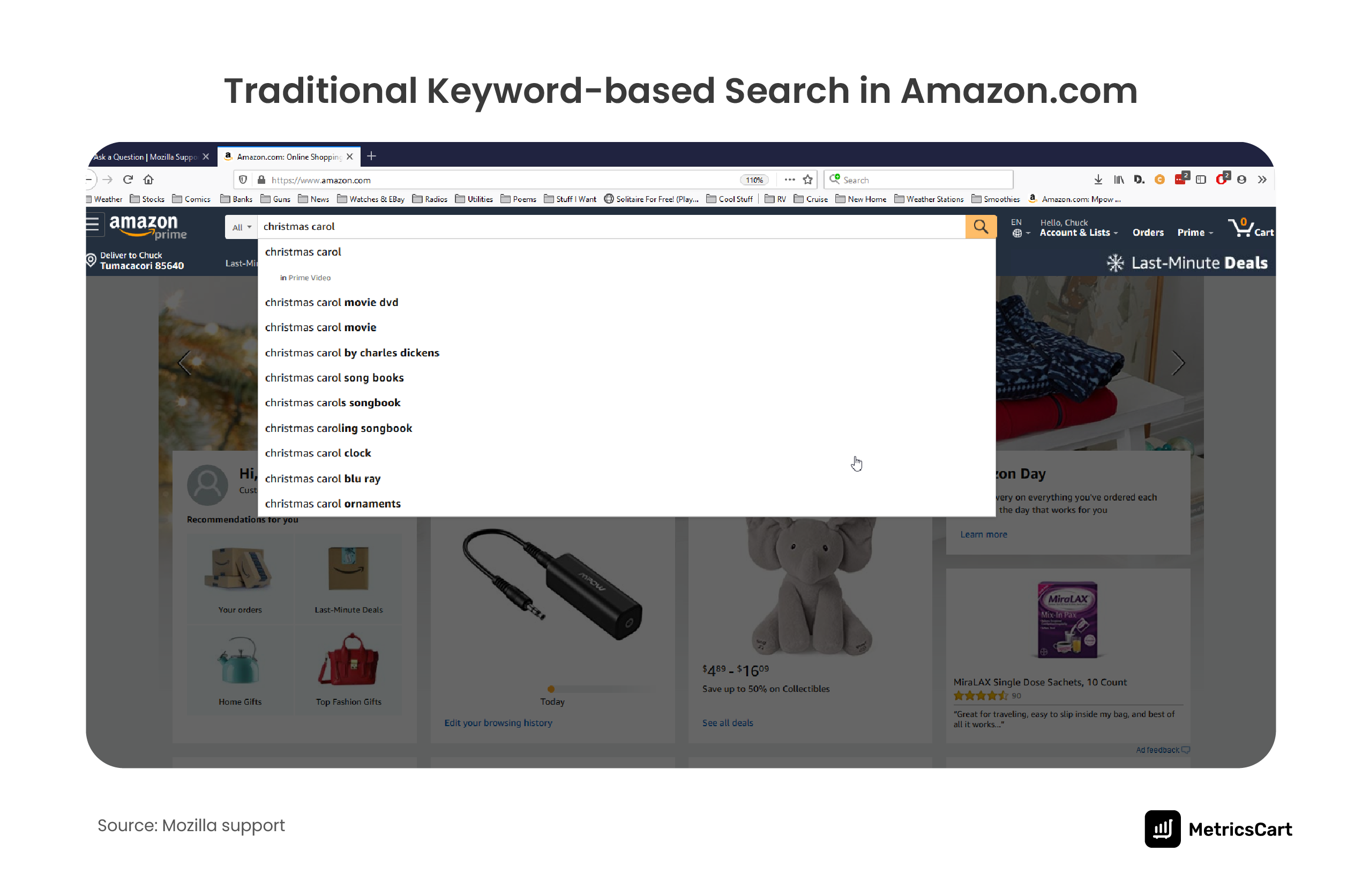
Going forward, search will be shaped by voice commands, conversational prompts, and AI-driven discovery engines that interpret intent, context, and behavior rather than just matching words. In fact, 53% of consumers already use voice search to shop for home goods, such as groceries.
This shift means that traditional keyword stuffing will no longer be effective. Brands must shift from their traditional optimization techniques and develop product pages that reflect natural language patterns and answer question-based queries.
For example, instead of optimizing only for “protein powder,” brands should incorporate phrases like “best protein powder for muscle recovery after workouts.” Structured product data, detailed attributes, and FAQ-style content enhance discoverability in AI-driven environments.
Retail algorithms and conversational agents rely on clean, well-organized data. Brands that invest in structured metadata and comprehensive product information will surface more frequently in both retailer search results and AI-generated recommendations.
3. Agentic Commerce is Changing How Products Are Selected
One of the most transformative e-commerce digital shelf trends we now see is the rise of agentic commerce. In this model, AI assistants do more than provide suggestions. They evaluate options, compare features, analyze reviews, and can even complete purchases on behalf of consumers.
According to Forrester, in 2026, one in four brands is expected to see a 10% rise in successful AI-led self-service interactions. Consumers may begin their shopping process by asking an AI assistant to recommend the best eco-friendly cleaning product within a specific budget. The assistant will assess ratings, price, sustainability credentials, and availability before presenting a shortlist.
This changes the rules of visibility. Product data must be machine-readable and attribute-rich. Sustainability claims must be verifiable. Reviews and ratings must be authentic and transparent. Brands that fail to optimize for AI-mediated discovery risk being excluded from consideration entirely.
READ MORE | ChatGPT Shopping Assistant: What Brands Must Know
4. Mobile-First Experience is Defining Performance
Mobile commerce continues to dominate digital interactions so much that nearly 94% of consumers are shopping on their phones from home rather than in-store. This rising trend has significant implications for design, content formatting, and speed optimization.
Mobile shoppers scroll quickly, compare options rapidly, and abandon pages that load slowly. High-resolution images with zoom functionality, concise but informative bullet points, and clear calls to action are no longer optional features. Page speed is particularly important, as even minor delays can reduce conversion rates.
Retailer algorithms also factor engagement signals into ranking calculations. A poor mobile experience can therefore affect both visibility and sales. In 2026, optimizing for mobile is equivalent to optimizing for the digital shelf itself.
5. Social Commerce is Becoming a Part of the Shelf
Another major digital shelf trend of 2026 is that the shelf is no longer limited to retailer pages or marketplaces. It now extends into social platforms where discovery and purchase happen in the same environment.
Earlier, platforms like Instagram and TikTok mainly drove traffic to e-commerce sites. Now they function as transactional channels with native checkout, product tagging, and algorithmic recommendations. A product featured in a viral video or creator demo is effectively occupying premium shelf space on the same platform.
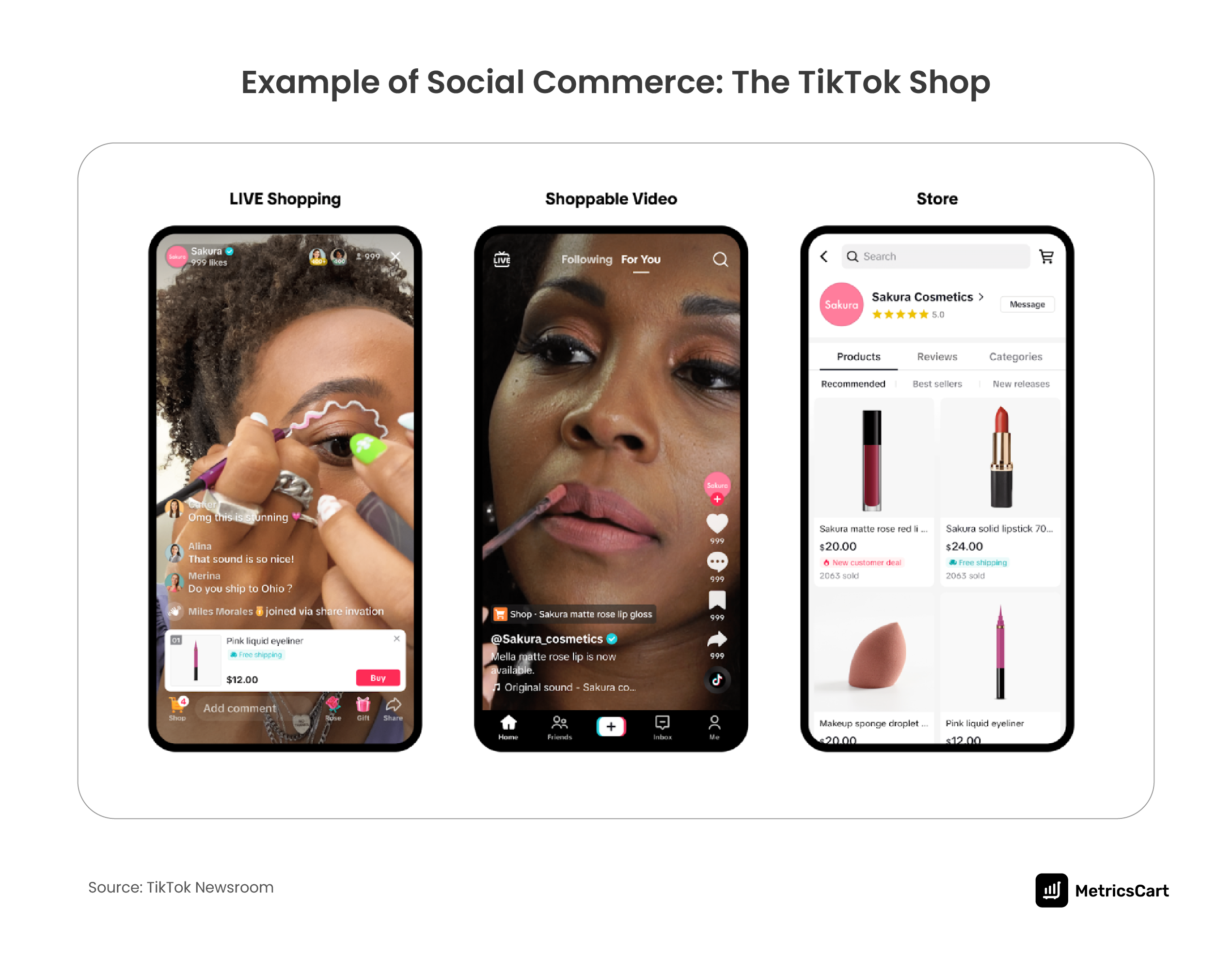
This is reshaping e-commerce digital shelf trends. Visibility is increasingly influenced by engagement signals, creator content, and platform algorithms, not just retailer rankings. As a result, the future of digital shelf analytics will include social performance metrics alongside pricing, availability, and search position.
6. Unified Commerce and Real-Time Data Synchronization
One of the most operationally critical digital shelf trends for 2026 is the shift toward unified commerce powered by real-time data synchronization. Historically, pricing, inventory, promotions, and product content were managed across disconnected systems, which led to mismatched listings, outdated availability, and inconsistent customer experiences across channels.
That model is breaking down. Today’s commerce environment demands that every channel reflect the same data at the same time. If a product goes out of stock, changes price, or updates content, those changes must sync instantly across marketplaces, retailer sites, brand stores, and social storefronts. Any delay creates friction, lost sales, or trust erosion.
READ MORE | How To Use MAP Data to Align Digital and Physical Retail: A Complete Guide
7. Sustainability Transparency Will Influence Purchase Decisions
Sustainability is moving from a marketing narrative to measurable attributes. Consumers increasingly look for information related to carbon footprint, recyclable packaging, and ethical sourcing before making a purchase.
Product pages that clearly display verified certifications or environmental data often experience stronger engagement. Transparency builds credibility, particularly in categories such as beauty, household goods, and food.
As AI-driven shopping assistants begin factoring sustainability signals into recommendation criteria, brands with structured environmental data will have an advantage. Sustainability information must be embedded within product attributes rather than hidden in generic brand messaging.
8. Dynamic Pricing and Real-Time Adjustments
Pricing strategies are becoming more fluid. Retailers such as Walmart have implemented digital shelf labeling systems in physical stores that enable rapid price changes. Online marketplaces move even faster, adjusting prices based on demand, inventory, and competitor activity.
Dynamic pricing engines allow brands to remain competitive while protecting margins. However, they require strong data integration and careful monitoring to avoid pricing conflicts or brand erosion.
In 2026, static pricing will be difficult to sustain in highly competitive categories. Intelligent pricing strategies will be closely tied to digital shelf analytics systems.
READ MORE | Dynamic Pricing in E-Commerce: Strategies and Insights
9. Automated Compliance and Content Governance
Another operational pillar seen among the digital shelf trends of 2026 is automated compliance and content governance. As brands scale across marketplaces, regions, and regulatory environments, maintaining accurate, policy-compliant listings manually has become unrealistic.
One outdated claim, missing disclosure, or unauthorized seller edit can trigger listing suppression, penalties, or lost visibility. That’s why automation is taking over compliance monitoring.
Modern content compliance monitoring tools, such as MetricsCart, continuously scan product pages for policy violations, restricted terms, missing attributes, pricing inconsistencies, and unauthorized content changes.
It then sends automated alerts, enforces rules, and maintains audit trails to ensure listings remain accurate, compliant, and brand-safe across channels without constant manual review.
10. Immersive Experiences Strengthen Conversion
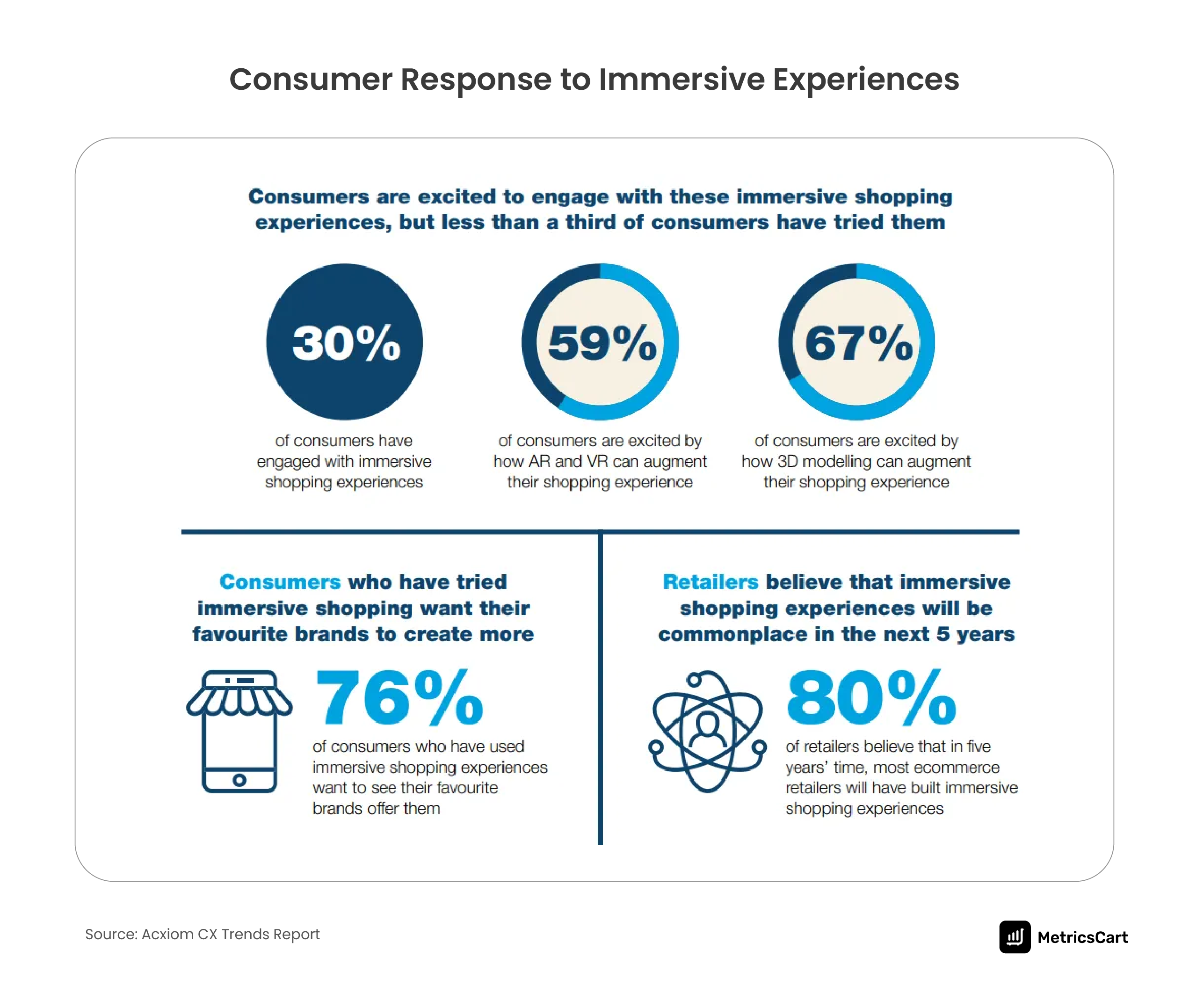
Static images and bullet points used to be enough to convince shoppers. Now, customers expect to interact with products digitally before committing, whether through 360-degree views, AR try-ons, virtual demos, or interactive comparison tools.
This shift reflects a simple truth. The closer the digital experience gets to a physical one, the higher the confidence to buy. Retailers like Amazon and brands partnering with platforms such as Shopify are already integrating immersive elements directly into product pages, allowing shoppers to visualize scale, texture, and real-world usage without leaving the listing.
In other words, within broader ecommerce digital shelf trends, immersive content is becoming a performance driver rather than a design upgrade. Listings with interactive visuals consistently outperform static ones because they shorten decision time and reduce hesitation. The result is higher engagement, stronger conversion rates, and fewer returns.
How Does Digital Shelf Optimization Work in 2026?
Digital shelf optimization in 2026 is all about leveraging AI and real-time data to ensure products are visible, competitive, and consistently aligned with market trends.
Brands now use advanced tools to automate pricing, content updates, inventory tracking, and performance analysis. This approach minimizes manual efforts while ensuring the product listings are always optimized for maximum visibility and conversions.
By continuously monitoring digital touchpoints, brands can respond swiftly to changes in competitive shifts, pricing strategies, and consumer behavior.
What Metrics Define Digital Shelf Success?
To truly understand and optimize digital shelf performance, brands must track several key metrics across visibility, conversion, and commercial outcomes. These metrics give a comprehensive view of how well products are performing on the digital shelf and identify areas for improvement.
Visibility Metrics
- Share of Search: This indicates how often a brand’s products appear in search results compared to competitors. A higher share of search means greater visibility and better chances of capturing consumer attention.
- Category Ranking: Measures the position of a product within its category. Higher rankings typically correlate with increased consumer interest and sales.
- Keyword Coverage: Reflects how well a brand’s products are optimized for relevant search terms. Broader keyword coverage increases the likelihood of discovery across various search platforms.
Conversion Metrics
- Ratings and Review Velocity: Tracks the speed at which reviews accumulate for a product. Higher velocity indicates greater consumer engagement and can significantly impact purchase decisions.
- Content Compliance Score: Measures how well product listings adhere to platform guidelines, including accurate descriptions, high-quality images, and relevant information. Compliance ensures better product performance and fewer penalties.
- Buy Box and Availability: This metric monitors a product’s eligibility to appear in the “Buy Box” (on platforms like Amazon) and its stock status. Products that are readily available and in the Buy Box typically see higher conversion rates.
READ MORE | Frequently Asked Questions About Amazon Buy Box
Commercial Metrics
- Price Parity and MAP Compliance: Ensures that a brand’s pricing is consistent across various platforms and adheres to its Minimum Advertised Price (MAP) policy. This helps maintain brand integrity and prevents undercutting.
- Promotion Impact: Evaluates how well promotions, discounts, and advertising efforts translate into sales growth and visibility.
- Retailer Competition Tracking: Monitors competitor pricing, promotions, and availability. Brands can use this data to adjust their strategies and stay ahead in the competitive landscape.
Preparing for 2026 and Beyond
The digital shelf trends of 2026 will be shaped by artificial intelligence, conversational interfaces, unified data systems, and social commerce integration. Success will depend on more than keyword optimization. It will require structured data management, cross-channel synchronization, mobile-first design, and intelligent automation.
Brands that invest now in AI-powered analytics tools like MetricsCart and offer dynamic pricing infrastructure, sustainability transparency, and immersive content will position themselves for sustained growth. Those who delay adaptation may find their products go unnoticed in increasingly algorithm-driven shopping environments.
The digital shelf is no longer a passive presence. It is an active, performance-driven ecosystem that demands continuous optimization.
Prepare for the future of e-commerce with AI-powered digital shelf management.
FAQs
Digital shelf analytics in 2026 refers to the use of AI-powered tools to monitor, analyze, and optimize product performance across multiple e-commerce platforms. This includes tracking key metrics such as pricing, stock availability, product content, customer behavior, and competitor activity in real time. With AI-driven insights, brands can not only react to changes but also predict trends, making adjustments before issues affect sales.
The digital shelf is where online brands are competing for visibility, sales, and customer loyalty. It goes beyond product pages to encompass every interaction a customer has with a brand online, including search rankings, product content, reviews, and price. In 2026, brands must master the digital shelf to stay competitive, as it directly influences conversion rates and customer retention in an increasingly AI-driven market.
Brands can prepare by investing in AI-powered digital shelf intelligence platforms, adopting real-time data synchronization across channels, optimizing for mobile-first experiences, and ensuring product content is structured and optimized for AI-driven search engines. Additionally, focusing on sustainability transparency, adopting dynamic pricing strategies, and incorporating immersive experiences will be key to staying competitive in 2026.
Unified commerce allows brands to synchronize inventory, pricing, product content, and promotions across all sales channels. This integration ensures that customers receive consistent information regardless of where they shop, increasing trust and improving rankings on digital shelves. In 2026, unified commerce will be a key factor in reducing customer friction, ensuring a seamless shopping experience, and driving higher conversions.
AI-driven search, including voice search and AI-powered discovery engines, will be a significant factor in digital shelf visibility. Brands must move beyond traditional keyword optimization and focus on creating product pages that match natural language patterns, answer questions, and provide detailed product data. AI engines will prioritize well-structured content that aligns with user intent, meaning brands that optimize for these factors will rank higher and reach more customers.